But it's nothing to worry about. We only use them to understand how you use our site and to improve your experience.
Some of the data collected by this provider is for the purposes of personalization and measuring advertising effectiveness.
Cookies are small text files which are downloaded to your device when you visit a website.
These cookies are recognised by the originating website on each visit thereafter, or by another website that recognises the cookie.
Cookies are useful in many ways – they remember your preferences, let you navigate between pages efficiently, and they ensure that any adverts you see online are relevant to you and your interests. They also allow a website to recognise which device you are using and to continually improve your website experience.
The law states that we can store cookies on your device if they are strictly necessary for the operation of this site. For all other types of cookies, we need your permission.
This site uses different types of cookies. Some cookies are placed by third party services that appear on our pages.
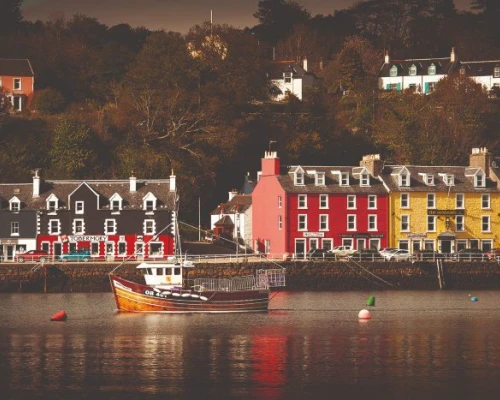
Picture white sand beaches that wouldn't look out of place in the Caribbean, mountains rising straight from the sea, and a harbour town painted in every colour imaginable. The Isle of Mull packs more wildlife per square mile than almost anywhere else in Scotland. Eagles patrol the skies, otters fish the shoreline, and if you're lucky, whales breach offshore. Our small-group tours take you from Edinburgh and Glasgow to explore this Hebridean gem, with its whisky, history, and landscapes that'll have you questioning whether you've actually left Scotland at all.
Our Isle of Mull tours combine Scotland's wildlife haven with historic islands, dramatic Highland scenery, and colourful coastal villages. Here's what you can experience on our Isle of Mull tours:
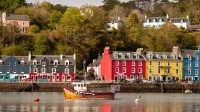
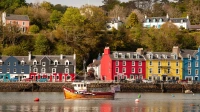
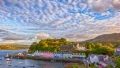
Tobermory: Maybe Scotland's most photogenic harbour town, with brightly painted houses lining the waterfront since the 18th century. Visit Tobermory Distillery, producing distinctive whiskies, explore independent shops and galleries, and photograph the colourful buildings that made the town famous as the backdrop for the children's TV show Balamory.
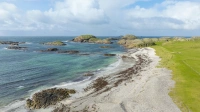
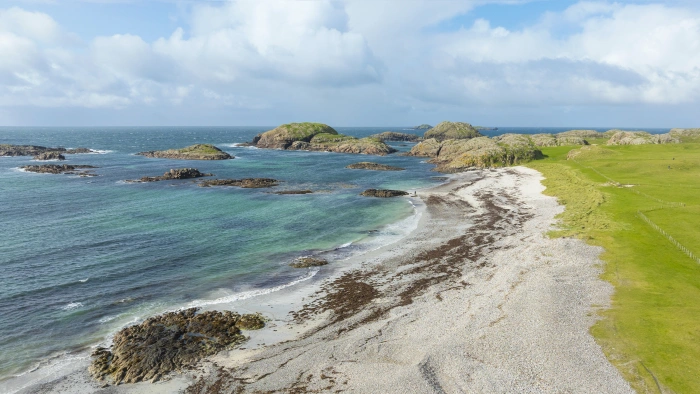
Isle of Iona: A destination for spiritual retreats since St. Columba arrived in 563 AD, this tiny island holds Iona Abbey, burial ground of 48 Scottish kings, and some of Scotland's most beautiful white sand beaches with turquoise waters.
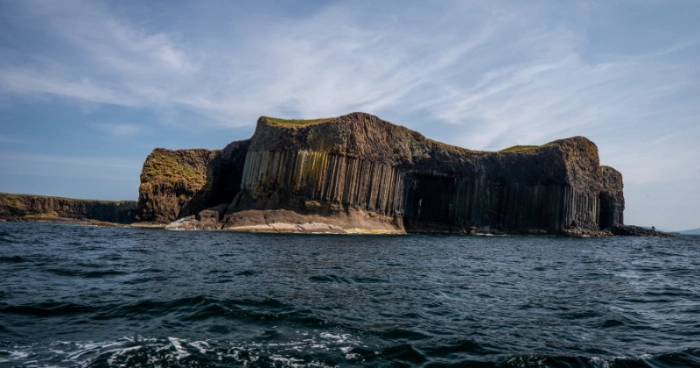
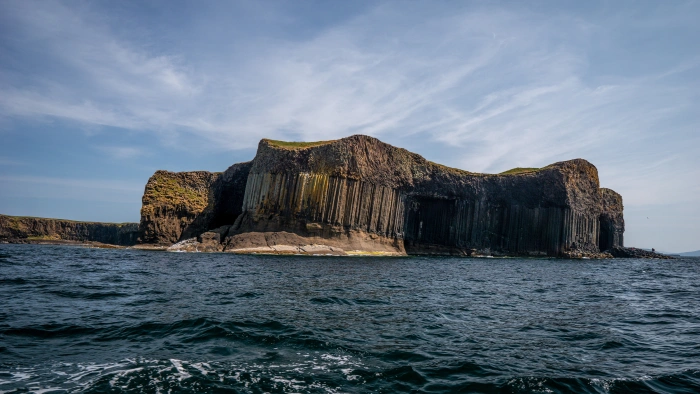
Isle of Staffa and Fingal's Cave: An optional boat trip takes you to this uninhabited volcanic island featuring hexagonal basalt columns. Fingal's Cave inspired Mendelssohn's "Hebrides Overture" with its cathedral-like interior and natural acoustics. The legends also say it was once connected to the giant’s Causeway in Northern Ireland but that’s a different story…
Highland landscapes: Journey through Glencoe's dramatic valley, cross Rannoch Moor's wild expanse, stop at Loch Lomond & The Trossachs National Park, and travel the scenic West Highland routes with mountains rising straight from the sea. View our Scottish Highland tours for more.
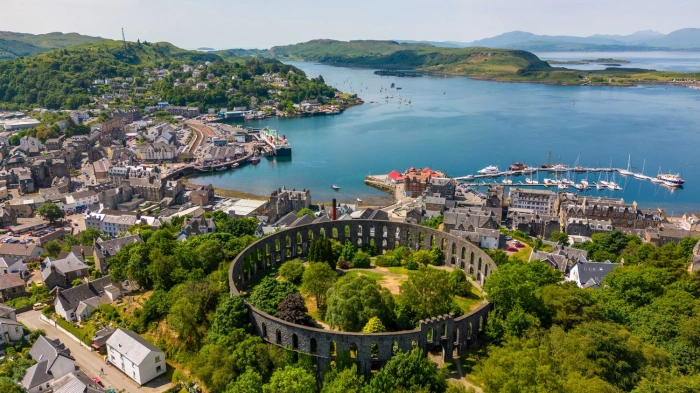
Oban: This bustling Victorian harbour town serves as the "Gateway to the Isles." Sample excellent fresh seafood, visit McCaig's Tower (a hilltop Colosseum-like structure), and watch ferries departing for Scotland's islands.
Wildlife watching: Mull offers Scotland's best wildlife concentration including golden eagles, white-tailed sea eagles, otters, red deer, minke whales, dolphins, basking sharks, and thousands of seabirds such as puffins on Staffa. View our Scotland wildlife tours for more options.
Our tours focus on Mull, Iona, and Staffa, but longer journeys combine multiple Scottish Islands tours with whisky regions and Highland landscapes. All tours include ferry travel to the islands, with accommodation in Tobermory on multi-day trips. Explore our Scotland tours for more island adventures.
Mull is Scotland's fourth-largest island, but size isn't what makes it remarkable. Mountains dominate the landscape, with Ben More rising to 966 metres, the only Munro (Scottish peak over 3,000 feet) on any Scottish island apart from Skye. The coastline stretches for over 300 miles, carved into bays, sea lochs, and beaches that look tropical until you touch the water.
The island's population hovers around 3,000 people, yet it supports one of Scotland's most concentrated wildlife populations. Golden eagles nest in the hills. White-tailed sea eagles, reintroduced after extinction, fish the coastal waters. Otters are so common here that wildlife guides practically guarantee sightings. Offshore, minke whales, basking sharks, dolphins, and porpoises appear regularly enough that boat trips carry marine biologists, not just hope. For more, read our guide to Mull, Iona & Staffa: The Wildlife Haven.
Tobermory, the island's main town, became famous as the colourful backdrop for the children's TV show Balamory. The painted houses weren't created for tourism; they've stood in their rainbow hues since the 18th century, when the fishing fleet needed landmarks for navigation. Today, about 1,000 people call Tobermory home, making it feel less like a town and more like a village with a surprisingly lively spirit.
But Mull isn't just nature and pretty harbours. This is where clan warfare shaped Scottish history. Where a Spanish Armada galleon sank in Tobermory Bay, supposedly carrying gold that treasure hunters still seek. Where Duart Castle has stood for 700 years, it is still owned by the Clan Maclean. The island breathes history from every standing stone and ruined chapel.
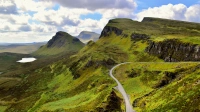
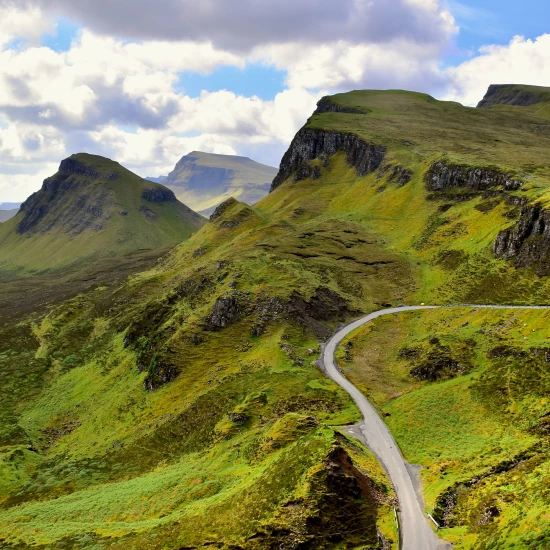
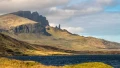
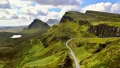
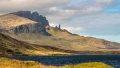
One isn’t better than the other, but they do offer different views. The Isle of Skye has dramatic geology (the Quiraing, Old Man of Storr), more tourism infrastructure, and darker, brooding landscapes. Mull offers better wildlife watching, quieter roads, access to Iona and Staffa, and a more relaxed atmosphere.
Skye gets more visitors because it's more accessible and more famous. Mull rewards those who make the extra effort to reach it. If you can only visit one, ask yourself whether you prioritise dramatic landscapes (Skye) or wildlife and beaches (Mull). Or better yet, visit both. Our Isle of Skye tours and multi-day island tours let you experience both islands.
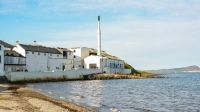
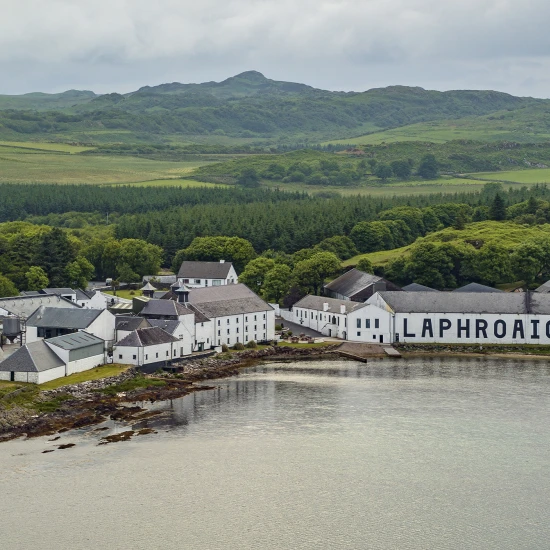
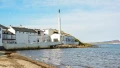
Tobermory sits right on the harbour front, its whitewashed walls standing out even among the town's painted houses. Founded in 1798, it's one of Scotland's oldest distilleries and they produce two distinct whiskies here: Tobermory (unpeated, fruity, easy-drinking) and Ledaig (heavily peated, pronounced "led-chick," challenging). Same stills, same water, same location, completely different characters.
Tours take you through the process, from malting to bottling, in a working distillery where you'll often see staff actually doing the work rather than posing for tourists. The tasting room overlooks the harbour, which seems appropriate given Tobermory's maritime history. Our Mull tours from Edinburgh include a visit to the distillery. For more whisky experiences, explore our Scotland whisky tours.
Yes, you can, and frankly, you should. Iona features a historic monastery that became the spiritual heart of Celtic Christianity when St. Columba arrived from Ireland in 563 AD. But aside from religion, Iona is simply beautiful. White sand beaches edge turquoise waters. The island's compact size (three miles long, one mile wide) makes it perfect for exploring on foot.
Staffa, by contrast, is uninhabited. Volcanic activity 60 million years ago created the island's hexagonal basalt columns. Here you’ll find Fingal's Cave, with its cathedral-like interior and natural acoustics, which inspired Mendelssohn to compose "The Hebrides Overture" after visiting in 1829. As well, puffins nest on Staffa from April to August. Thousands arrive, dig burrows, raise chicks, then disappear back to sea. Seeing them up close remains one of Scotland's great wildlife experiences.
Both islands sit just off Mull's western coast, accessible by ferry and boat trips that depart from Fionnphort and other harbours. Our Mull, Isle of Iona & West Highlands tour includes both islands, with an optional boat trip to Staffa and entry to Iona Abbey.
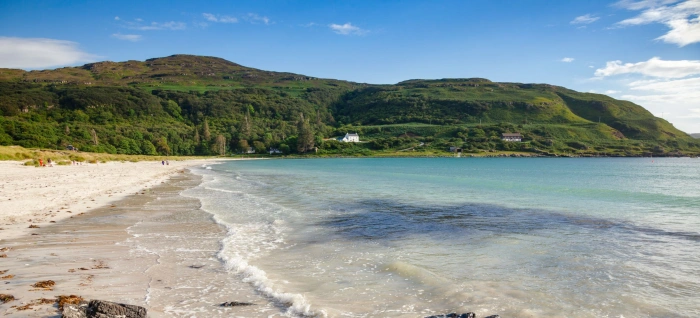
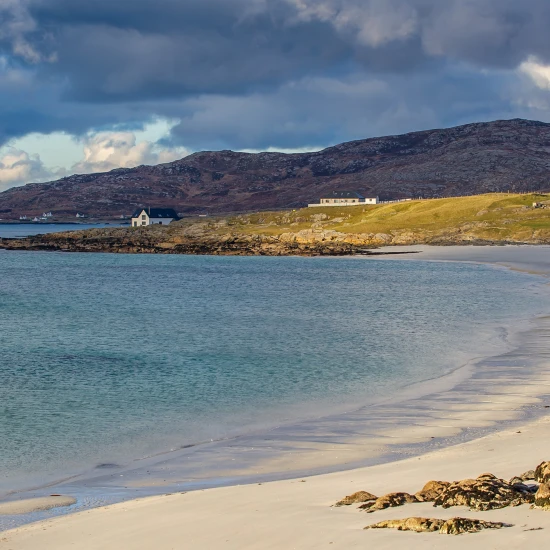
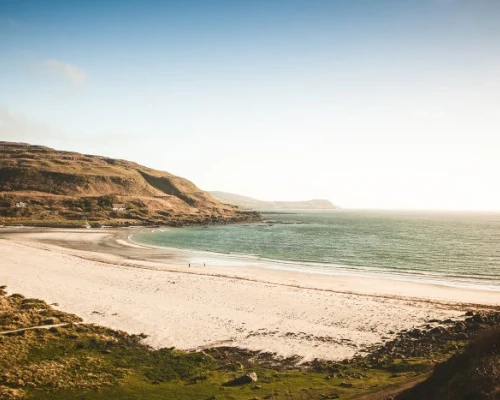
Calgary Bay consistently appears on "Scotland's best beaches" lists, and for good reason. White sand, turquoise water, and mountains as a backdrop create a scene that photographs like the Caribbean until someone in a jumper walks into frame.
Langamull Beach sits on the northwest coast, less visited than Calgary but equally stunning. The sand is so white it almost glows, though the water remains determinedly Scottish in temperature. Seals haul out on nearby rocks, entirely unbothered by visitors.
Fidden Beach near Fionnphort offers views across to Iona. The sand here is coarse and shell-rich, crunching underfoot as you walk. Wild camping is tolerated at Fidden, making it popular with the campervan crowd and anyone hardy enough to sleep outdoors on a Hebridean island.
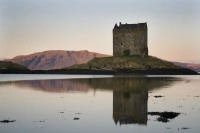
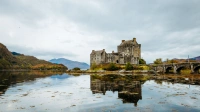
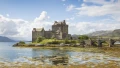
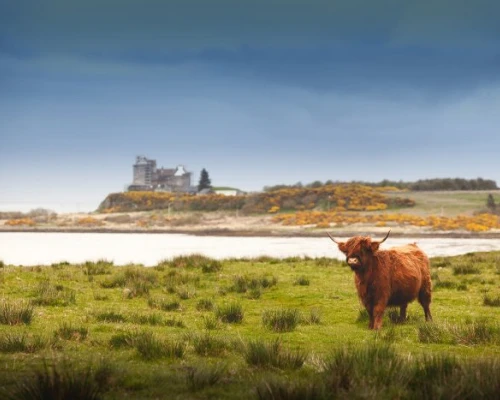
Duart Castle sits on a rocky outcrop guarding the Sound of Mull, which explains why the Macleans built it there around 1320. If you wanted to control shipping through these waters, this was the spot.
The Macleans held Duart for nearly 400 years, until backing the wrong side (the Jacobites) in the early 18th century led to forfeiture. The castle fell into ruin, becoming one of those romantically crumbling Scottish fortresses that Victorian artists loved painting. Then in 1911, Sir Fitzroy Maclean, a Scottish-born colonial administrator who'd made money in the British Empire, bought it back and spent years restoring it.
Today, the 28th Chief of Clan Maclean still lives there part-time. The castle opens to visitors, displaying clan history, maritime artefacts, and the standard assortment of weaponry that Scottish castles accumulate. The views from the battlements justify the visit alone; you can see why the Macleans chose this spot.
Our Isle of Mull tours depart from Edinburgh and Glasgow, making it easy to experience this wildlife-rich island from either of Scotland's major cities:
Isle of Mull tours from Edinburgh: Edinburgh offers a few tours to the Isle of Mull, ranging from 3-day focused island experiences to 17-day grand tours of Scotland's islands.
Isle of Mull tours from Glasgow: Glasgow's proximity to Oban (the ferry port for Mull) makes it ideal for island exploration.
All tours include ferry travel to the Isle of Mull (usually from Oban to Craignure, a 45-minute crossing), with our driver-guides handling all logistics and bookings. Learn more about our Departure Points here.
One day gives you a taste of Tobermory, one beach, maybe Duart Castle. Two to three days lets you properly explore: Iona, Staffa, multiple beaches, wildlife watching, and time to relax rather than rush. A week allows deep exploration: remote roads, serious wildlife photography, walking trails, distillery visits, and that slower island pace where you stop measuring time in hours. Our 4-day Mull tour strikes a balance between seeing highlights and not feeling rushed.
This depends what kind of Isle of Mull tour you’re after:
Spring (April to May) brings returning seabirds. Puffins arrive on Staffa and the surrounding islands. The weather's unpredictable as sunshine and hail can happen within the same hour. The landscape greens up, wildflowers appear, and there are fewer tourists.
Summer (June to August) offers the most reliable weather. Days are long, with sunset not arriving until after 10pm in June. This is the peak season for marine wildlife. It's also peak season for tourists, meaning busier ferries, fuller accommodation, and the occasional queue.
Autumn (September to October) provides arguably the best conditions. The weather often holds into September with clear, bright days. The deer rut begins in October, filling the glens with bellowing stags. Tourists thin out after schools return, making everything quieter. The only downside is shorter days.
Winter (November to March) is for hardy souls or anyone seeking solitude. Ferries still run, though high winds occasionally cancel services. Wildlife remains. Many island businesses close or reduce hours, but those that remain open often offer warmer welcomes with time to chat. The landscape turns dramatic, with storms rolling in off the Atlantic and snow sometimes dusting the mountains.
Our tours run year-round, with seasonal variations in itineraries based on daylight hours and weather conditions.
Puffins arrive in April and depart by mid-August, with May to July being peak season. They nest on Staffa and nearby islands rather than Mull itself. Boat trips from Mull to Staffa run April to October, weather permitting, with wildlife operators guaranteeing puffin sightings during nesting season. Early morning trips often provide the best viewing conditions - calmer seas, better light, more active birds.
Small groups make the difference. With a maximum 16 passengers, our mini coaches access narrow island roads that big buses can't navigate. You'll stop for wildlife when opportunities arise, not just at scheduled photo stops.
Our driver-guides know Mull intimately, where otters fish, which hillsides eagles favour, and when the light hits Calgary Bay just right. They're storytellers who bring clan history, local legends, and island life into focus.
Questions? Take a look at our FAQs or contact us. Our team is always happy to help.
Browse our wide selection of tours of the UK and Ireland.